Plan, design, and operate an electrifying waterpark with safety, fun, and innovation in mind!
Plan, design, and operate an electrifying waterpark with safety, fun, and innovation in mind!
Ticketwave Support
April 16, 2025
1 year read
Plan, Design, and Operate an Electrifying Waterpark with Safety, Fun, and Innovation in Mind!
Waterpark Location
Finding the perfect location for a water park will make all the difference in your business. The water park should be situated in a place with a warm climate and easily accessible for people to come and have fun while enjoying the water.
Waterpark Amenities
To make a thrilling water park, it is essential to have the right amenities available to your customers. These amenities may include wave pools, water slides, lazy rivers, splash pads, and much more. Also, having proper changing rooms, restrooms, and showers are crucial for the comfort of your customers.
Safety is also essential, so make sure each ride has all necessary safety equipment, including lifeguards to ensure the safety of your customers.
Pricing and How to Book
Pricing for waterparks can range from being affordable to expensive, depending on the number of rides and the location. It is essential to do proper research before setting a price for the water park.
Booking the water park can be done by using booking platforms such as Booking.com or Expedia.com. These platforms offer clients an easy way to book their spots and guarantee that they will have space when they arrive.
FAQ
– What can I bring inside the waterpark? You can bring towels, sunscreen, swimsuits, and any other necessary items for swimming.
– Are there any age restrictions for riding the waterpark rides? Most waterpark rides have age or height requirements for safety. Age and height limitations vary from ride to ride.
– What if it rains? It is best to call the water park before visiting them, as some water parks may close in the event of storms or severe weather conditions.
In Conclusion, planning, designing, and operating a water park is an exciting venture that requires a lot of effort, time, and resources. By following these tips and keeping safety, fun, and innovation in mind, you’re sure to create an electrifying waterpark that will be loved by many.
How to build your own water park?
Build a water park in your own backyard – YouTube
Building your own water park can be a fun project for the entire family, especially during the warm summer months. Here are the steps you can follow to build your own water park:
1. Plan your water park:
Before you start building, you will need to plan your water park. Decide on the size, the number of features, and the style of your water park. You can get some inspiration by looking at other water parks, or you can come up with your own unique design.
2. Choose a location:
Choose a location that is suitable for your water park. It should be relatively flat and have enough space to accommodate your water park. Make sure you have access to a water source and enough space for your features.
3. Install a water supply:
If you do not already have a water source, you will need to install one. You can use an existing hose connection or install a dedicated water line. Hire a professional plumber to hook up the water supply.
4. Install features:
Once you have installed the water supply, you can start installing your features. This could include a water slide, a pool, a waterfall, a fountain, and more. You can purchase these from an online retailer or local pool supply store. Make sure to follow the manufacturer’s instructions carefully.
5. Add safety features:
Safety should be a priority when building a water park. Install safety features such as fencing, safety covers, and signage. Make sure that everyone who uses the water park understands the safety rules.
6. Choose a theme:
Adding a theme to your water park can add an extra element of fun. You can choose a tropical theme, a pirate theme, or any other theme that fits your style.
7. Maintenance and upkeep:
When your water park is finished, it will need regular maintenance and upkeep. Make sure to clean it regularly, test the water quality, and do any necessary repairs.
Building your own water park can be a challenging project, but with careful planning and execution, you can create a fun and exciting space for the whole family.
How do you operate a waterpark?
Start a waterpark by following these 10 steps: Plan your Waterpark, Form your Waterpark into a Legal Entity, Register your Waterpark for Taxes, Open a Business Bank Account & Credit Card, Set up Accounting for your Waterpark, Get the Necessary Permits & Licenses for your Waterpark, Get Waterpark Insurance , Purchase Equipment and Supplies for your Waterpark, Hire and Train Staff for your Waterpark, and Market and Promote your Waterpark.
Once these steps are completed, operating a waterpark involves managing daily operations, such as maintaining water quality, ensuring guest safety, managing staffing levels, scheduling events and activities, managing finances, and regularly performing maintenance on attractions and facilities. It is also important to continuously gather feedback from guests and make improvements to the park based on this feedback in order to keep visitors coming back year after year.
10 Must-Visit Hidden Gems in Dubai
No data was found
No data was found
Insider Tip
The best time to explore Dubai’s hidden gems is during the winter months (November to March) when temperatures are pleasant. Early mornings and evenings offer the most comfortable conditions and the best lighting for photography.
10 Must-Visit Hidden Gems in Dubai
No data was found
Al Fahidi Historical Neighborhood
Step back in time as you wander through the narrow sikkas (alleyways) of Al Fahidi, one of Dubai’s oldest neighborhoods. Dating back to the late 19th century, this district showcases traditional wind tower architecture and houses numerous museums, art galleries, and cultural centers.
Don’t miss the Coffee Museum, where you can learn about Arabic coffee traditions and sample different brews from around the world.
Discover Old Dubai: Al Fahidi Walking Tour
Explore the historic Al Fahidi district with a knowledgeable local guide. Learn about Dubai’s pearl diving history, traditional architecture, and cultural heritage.
Once an industrial area filled with warehouses, Alserkal Avenue has transformed into Dubai’s vibrant arts and culture district. This creative hub houses contemporary art galleries, design studios, and unique concept stores.
The area regularly hosts exhibitions, workshops, and cultural events, making it a must-visit for art enthusiasts and those seeking Dubai’s creative pulse.
Hatta Mountain Enclave
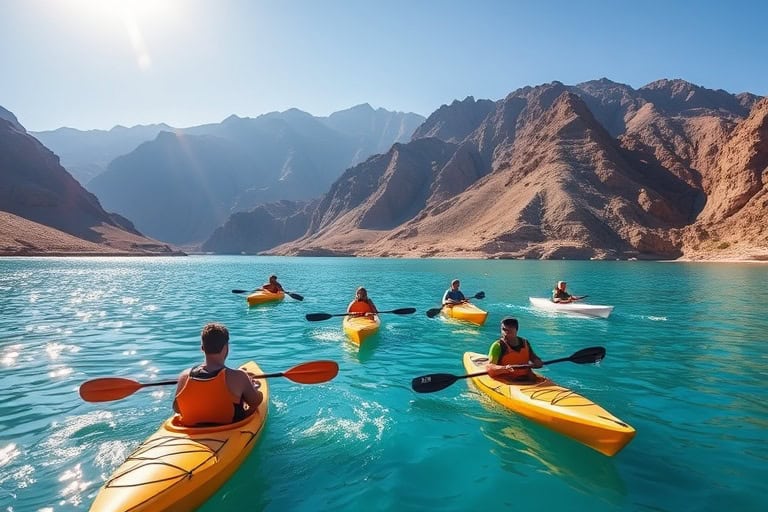
Just 90 minutes from downtown Dubai lies the mountain enclave of Hatta, a world away from the city’s urban landscape. This exclave of Dubai offers breathtaking mountain scenery, hiking trails, and the turquoise waters of Hatta Dam.
Adventure seekers can enjoy kayaking, mountain biking, or hiking, while those seeking relaxation can simply soak in the natural beauty and tranquility.
Hatta Dam Kayaking Adventure
Paddle through the crystal-clear turquoise waters of Hatta Dam surrounded by majestic mountains. Perfect for beginners and experienced kayakers alike.
The true beauty of Dubai isn’t just in its towering skyscrapers, but in the hidden corners where tradition meets innovation, and where the desert meets the sea.
Al Qudra Lakes
A man-made oasis in the desert, Al Qudra Lakes is a series of artificial lakes that has become a haven for wildlife and a popular spot for camping, cycling, and stargazing. The area is home to over 170 species of birds, including flamingos and swans.
The famous Love Lakes, two interconnected lakes shaped like hearts, have become a popular spot for photographers and romantics alike.
Al Qudra Lakes
A man-made oasis in the desert, Al Qudra Lakes is a series of artificial lakes that has become a haven for wildlife and a popular spot for camping, cycling, and stargazing. The area is home to over 170 species of birds, including flamingos and swans.
The famous Love Lakes, two interconnected lakes shaped like hearts, have become a popular spot for photographers and romantics alike.
These are just half of the hidden gems Dubai has to offer. Continue reading to discover five more incredible places that most tourists miss but should definitely be on your Dubai itinerary.
Ready to explore these hidden gems?
Book your Dubai adventure with TicketWave.ae and get exclusive access to guided tours of these off-the-beaten-path locations. Use code
Stretching along Dubai Creek, Al Seef blends the old and new with its dual design: one section features traditional Arabian architecture, while the other showcases contemporary design.
This waterfront promenade is lined with restaurants, cafes, and shops, offering a pleasant place to stroll and soak in views of the creek. The traditional area, with its stone facades and wooden lattice screens, provides a glimpse into Dubai’s past.
Kite Beach
While Jumeirah Beach is well-known among tourists, Kite Beach offers a more local experience. As the name suggests, it’s popular for kitesurfing, but it’s also great for swimming, paddleboarding, and beach volleyball.
The beach features a jogging track, outdoor gym equipment, and a variety of food trucks and cafes. On a clear day, you can enjoy stunning views of the Burj Al Arab while relaxing on the sand.
Kitesurfing Beginner Lesson at Kite Beach
Learn the basics of kitesurfing with professional instructors at Dubai’s premier kitesurfing destination. All equipment provided.
Located at the mouth of Dubai Creek, Ras Al Khor Wildlife Sanctuary is a wetland reserve that’s home to over 450 species of animals and 67 species of birds, including the iconic pink flamingos.
The sanctuary has three hides where visitors can observe the wildlife without disturbing them. It’s a peaceful escape from the city and a paradise for bird watchers and nature photographers.
The Coffee Museum
Tucked away in the Al Fahidi Historical Neighborhood, The Coffee Museum is a hidden treasure for coffee enthusiasts. This unique museum showcases the rich history and culture of coffee from around the world.
Visitors can explore antique coffee grinders, brewing equipment, and traditional coffee pots from different cultures. The museum also offers coffee tasting sessions where you can sample various international brews.
Al Khawaneej Last Exit
For a unique dining experience, visit Al Khawaneej Last Exit, a food truck park with a rural farm theme. This quirky destination features vintage trucks converted into food outlets, serving everything from gourmet burgers to artisanal ice cream.
The venue is designed to resemble a traditional farm, complete with barns, tractors, and even a small lake. It’s a popular spot among locals, especially in the cooler months when outdoor seating is pleasant.
Tips for Exploring Dubai's Hidden Gems
Transportation:
While Dubai has excellent public transportation, some hidden gems
are more accessible by car. Consider renting a car or using ride-hailing services for more remote locations.
Timing:
Visit popular spots early in the morning to avoid crowds and enjoy cooler
Dress Code:
While Dubai is cosmopolitan, it's respectful to dress modestly when
visiting cultural and historical sites. Carry a light scarf or shawl for women to cover shoulders when needed.
Photography:
Always ask permission before photographing locals, especially in traditional areas. Some museums and galleries may have restrictions on photography.
Weather Preparation:
Dubai's sun can be intense. Carry sunscreen, sunglasses, and a hat, and stay hydrated, especially when exploring outdoor locations.
Ready to explore these hidden gems?
“The best way to experience Dubai’s hidden gems is to mix with the locals. Visit these places during weekends when local families are out and about, and don’t hesitate to strike up conversations. Emiratis are known for their hospitality and are often happy to share recommendations.” — Mohammed Al Shamsi, Dubai Tour Guide
Conclusion
Dubai’s hidden gems offer a refreshing contrast to its more famous attractions, providing deeper insights into the city’s culture, history, and natural beauty. By venturing beyond the tourist hotspots, you’ll discover a more authentic side of Dubai that many visitors miss.
Whether you’re interested in history, art, nature, or culinary experiences, these lesser-known destinations have something to offer. So on your next trip to Dubai, set aside some time to explore these hidden treasures—you won’t be disappointed.
Have you visited any of these hidden gems in Dubai? Or do you have other secret spots to recommend? Share your experiences in the comments below!
Ticketwave Support
You Might Also Like
When Is Disneyland Abu Dhabi Opening Date?
Anticipation Builds for the Middle East’s First Disney Theme Park
Disneyland Abu Dhabi opening date? The world is ab...
May 8, 2025 .
1 year read
5 Things to Know About Disneyland Abu Dhabi Before It Opens
A New Chapter in Disney Magic Is Coming to the Middle East
The magic of Disney is about to find a new home in the he...
May 8, 2025 .
1 year read
Lost Island Waterpark & Adventure Golf: Ultimate Thrills & Go-Karts
Lost Island Waterpark & Adventure Golf is a one-of-a-kind entertainment destination that offers thrilling waterp...
April 17, 2025 .
1 year read
Towering the Beach: A Complete Guide
The United Arab Emirates is known as a haven full of incomparable beauty, especially in its beaches. For those of yo...
April 17, 2025 .
1 year read
Leave a Comment
Quick Guide Overview
Price Range
AED 0 - 350 per activity Most locations are free to visit
Time Needed
2-4 hours per location Full guide: 2-3 days recommended
Locations
Spread across Dubai From Old Dubai to Hatta (90 mins drive)
Best For
Couples, Families, Solo Travelers Suitable for all age groups