Ticketwave Support
Stay Afloat: Guide to Waterpark Safety
Introduction
Are you planning on visiting a waterpark soon? It’s time to make a splash as summer vacation is here! With thrilling rides, wave pools, and water slides, waterparks are a popular summer destination for families and friends. Before you dive in, you need to educate yourself on waterpark safety. This guide will provide you with essential information to keep yourself and your loved ones safe whilst enjoying the waterpark experience.
Waterpark Location and Amenities
Firstly, it’s significant to choose a waterpark that meets all your expectations, starting with the location. There are numerous waterparks around the world, but our top pick is the Wet’n’Wild water park in Orlando, Florida. Dubai’s Aquaventure Waterpark and Waterbom in Bali, Indonesia, are other excellent options for a waterpark adventure. These waterparks offer a wide array of thrilling rides such as the Aqua twist, Tsunami, and Surf’s Up. They also feature wave pools, lazy rivers, and water play areas for younger kids.
Pricing and Booking
Waterparks are relatively affordable and offer excellent value for the price, as they cater to all age groups. The average cost for a full-day ticket at Wet’n’Wild Orlando is $50 per person, including taxes and fees. Meanwhile, a one-day pass for Aquaventure Waterpark in Dubai costs around $85. It’s important to note that ticket prices may vary during the peak season and can be purchased online or at the park’s entry gate.
Booking a waterpark excursion is easy and convenient. Most of the waterparks have their booking platforms, which offer discounts and package deals. For instance, Wet’n’Wild water park in Orlando partners with third-party platforms such as Expedia, Travelocity, and Orbitz, providing their guests with a platform to book their tickets online. Further, Aquaventure Waterpark in Dubai and Waterbom in Bali offer ticket booking through their official website.
Frequently Asked Questions (FAQ)
Q: How deep are the wave pools?
A: The depth of the wave pools can vary depending on the waterpark. Visitors are advised to check individual waterpark websites for more information.
Q: Can I bring outside food and drinks to the waterpark?
A: Most waterparks have strict regulations and do not allow outside food and drinks. However, water bottles are allowed.
Q: What are the restrictions for rides?
A: Depending on the ride’s intensity, riders have height, weight, and age restrictions. It’s essential to check the individual ride’s guidelines before getting on.
Conclusion
In conclusion, taking safety precautions before going to a waterpark is vital. Following waterpark rules and guidelines, choosing the right location, and wearing proper swim gear will make your waterpark experience safe and enjoyable. Therefore, take the plunge and make memories that will last a lifetime in some of the world’s top waterparks.
What are the necessary safety equipment for visiting a waterpark?
I cannot answer this question from personal experience, but I can provide a list of commonly recommended safety equipment for visiting a waterpark:
– Swimwear
– Sunscreen
– Water shoes or flip-flops
– Personal flotation devices (PFDs), such as life jackets or floatation belts
– Goggles or other eye protection
– Hats or other head coverings for sun protection
– Waterproof phone or camera cases
– Towels
It is important to check the particular waterpark’s rules and regulations regarding safety equipment before visiting.
What are the most important safety tips to keep in mind when visiting a waterpark?
1. Follow all posted rules and regulations:
Make sure you read the rules and regulations of the waterpark carefully before entering. Follow them strictly to avoid any accidents.
2. Wear appropriate swimwear:
Wear proper swimwear that fits you properly and will not come off while you are in the water.
3. Stay hydrated:
Drink enough water to avoid dehydration and heatstroke, especially during hot summer days.
4. Keep an eye on your children:
Accompany children at all times, and ensure that they follow the rules and do not run or engage in horseplay.
5. Avoid diving in shallow water:
Do not jump or dive in the shallow areas or near rocks or obstacles.
6. Use sunscreen:
Apply sunscreen before entering the waterpark and regularly after that to prevent sunburn.
7. Know how to swim:
Swimming is important when using a waterpark, learn basic skills and never enter water deeper than your abilities
8. Stay calm during emergencies:
Stay calm during emergencies and follow instructions from park staff.
9. Take care of your belongings:
Do not leave valuables like phones, wallets, and cameras unattended. Use locker to store your belonging.
10. Follow COVID-19 guidelines:
Make sure to follow COVID-19 guidelines such as social distancing and wearing a face mask when appropriate.

10 Must-Visit Hidden Gems in Dubai
Insider Tip
The best time to explore Dubai’s hidden gems is during the winter months (November to March) when temperatures are pleasant. Early mornings and evenings offer the most comfortable conditions and the best lighting for photography.
10 Must-Visit Hidden Gems in Dubai
Al Fahidi Historical Neighborhood
Step back in time as you wander through the narrow sikkas (alleyways) of Al Fahidi, one of Dubai’s oldest neighborhoods. Dating back to the late 19th century, this district showcases traditional wind tower architecture and houses numerous museums, art galleries, and cultural centers.
Don’t miss the Coffee Museum, where you can learn about Arabic coffee traditions and sample different brews from around the world.
Discover Old Dubai: Al Fahidi Walking Tour
AED 125 per person
Alserkal Avenue
Once an industrial area filled with warehouses, Alserkal Avenue has transformed into Dubai’s vibrant arts and culture district. This creative hub houses contemporary art galleries, design studios, and unique concept stores.
The area regularly hosts exhibitions, workshops, and cultural events, making it a must-visit for art enthusiasts and those seeking Dubai’s creative pulse.
Hatta Mountain Enclave
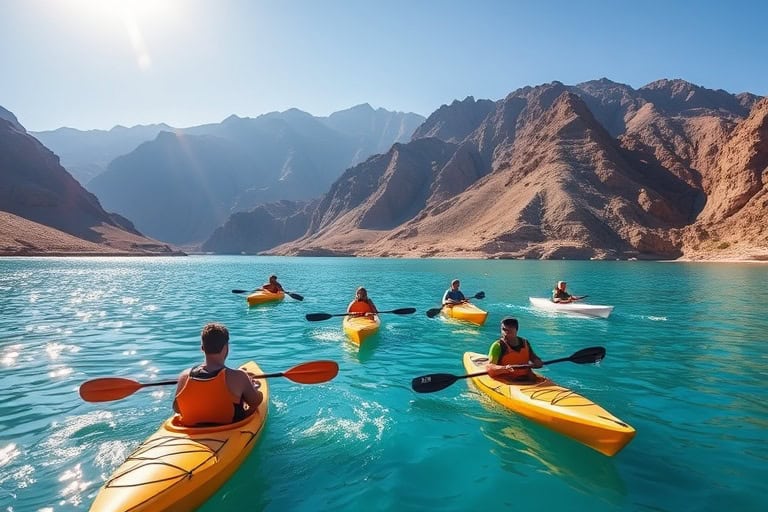
Just 90 minutes from downtown Dubai lies the mountain enclave of Hatta, a world away from the city’s urban landscape. This exclave of Dubai offers breathtaking mountain scenery, hiking trails, and the turquoise waters of Hatta Dam.
Adventure seekers can enjoy kayaking, mountain biking, or hiking, while those seeking relaxation can simply soak in the natural beauty and tranquility.
Hatta Dam Kayaking Adventure
AED 150 per person
Al Qudra Lakes
A man-made oasis in the desert, Al Qudra Lakes is a series of artificial lakes that has become a haven for wildlife and a popular spot for camping, cycling, and stargazing. The area is home to over 170 species of birds, including flamingos and swans.
The famous Love Lakes, two interconnected lakes shaped like hearts, have become a popular spot for photographers and romantics alike.
Al Qudra Lakes
A man-made oasis in the desert, Al Qudra Lakes is a series of artificial lakes that has become a haven for wildlife and a popular spot for camping, cycling, and stargazing. The area is home to over 170 species of birds, including flamingos and swans.
The famous Love Lakes, two interconnected lakes shaped like hearts, have become a popular spot for photographers and romantics alike.
These are just half of the hidden gems Dubai has to offer. Continue reading to discover five more incredible places that most tourists miss but should definitely be on your Dubai itinerary.
Ready to explore these hidden gems?
Book your Dubai adventure with TicketWave.ae and get exclusive access to guided tours of these off-the-beaten-path locations. Use code
HIDDEN 10 for 10% off your first booking!
Al Seef
Stretching along Dubai Creek, Al Seef blends the old and new with its dual design: one section features traditional Arabian architecture, while the other showcases contemporary design.
This waterfront promenade is lined with restaurants, cafes, and shops, offering a pleasant place to stroll and soak in views of the creek. The traditional area, with its stone facades and wooden lattice screens, provides a glimpse into Dubai’s past.
Kite Beach
While Jumeirah Beach is well-known among tourists, Kite Beach offers a more local experience. As the name suggests, it’s popular for kitesurfing, but it’s also great for swimming, paddleboarding, and beach volleyball.
The beach features a jogging track, outdoor gym equipment, and a variety of food trucks and cafes. On a clear day, you can enjoy stunning views of the Burj Al Arab while relaxing on the sand.
Kitesurfing Beginner Lesson at Kite Beach
AED 350 per person
Ras Al Khor Wildlife Sanctuary
Located at the mouth of Dubai Creek, Ras Al Khor Wildlife Sanctuary is a wetland reserve that’s home to over 450 species of animals and 67 species of birds, including the iconic pink flamingos.
The sanctuary has three hides where visitors can observe the wildlife without disturbing them. It’s a peaceful escape from the city and a paradise for bird watchers and nature photographers.
The Coffee Museum
Tucked away in the Al Fahidi Historical Neighborhood, The Coffee Museum is a hidden treasure for coffee enthusiasts. This unique museum showcases the rich history and culture of coffee from around the world.
Visitors can explore antique coffee grinders, brewing equipment, and traditional coffee pots from different cultures. The museum also offers coffee tasting sessions where you can sample various international brews.
Al Khawaneej Last Exit
For a unique dining experience, visit Al Khawaneej Last Exit, a food truck park with a rural farm theme. This quirky destination features vintage trucks converted into food outlets, serving everything from gourmet burgers to artisanal ice cream.
The venue is designed to resemble a traditional farm, complete with barns, tractors, and even a small lake. It’s a popular spot among locals, especially in the cooler months when outdoor seating is pleasant.
Tips for Exploring Dubai's Hidden Gems
Transportation:
While Dubai has excellent public transportation, some hidden gems are more accessible by car. Consider renting a car or using ride-hailing services for more remote locations.
Timing:
Visit popular spots early in the morning to avoid crowds and enjoy cooler
Dress Code:
While Dubai is cosmopolitan, it's respectful to dress modestly when visiting cultural and historical sites. Carry a light scarf or shawl for women to cover shoulders when needed.
Photography:
Always ask permission before photographing locals, especially in traditional areas. Some museums and galleries may have restrictions on photography.
Weather Preparation:
Dubai's sun can be intense. Carry sunscreen, sunglasses, and a hat, and stay hydrated, especially when exploring outdoor locations.
Ready to explore these hidden gems?
Conclusion
Dubai’s hidden gems offer a refreshing contrast to its more famous attractions, providing deeper insights into the city’s culture, history, and natural beauty. By venturing beyond the tourist hotspots, you’ll discover a more authentic side of Dubai that many visitors miss.
Whether you’re interested in history, art, nature, or culinary experiences, these lesser-known destinations have something to offer. So on your next trip to Dubai, set aside some time to explore these hidden treasures—you won’t be disappointed.
Have you visited any of these hidden gems in Dubai? Or do you have other secret spots to recommend? Share your experiences in the comments below!
Ticketwave Support
You Might Also Like


Quick Guide Overview
Price Range
AED 0 - 350 per activity
Most locations are free to visit
Time Needed
2-4 hours per location
Full guide: 2-3 days recommended
Locations
Spread across Dubai
From Old Dubai to Hatta (90 mins drive)
Best For
Couples, Families, Solo Travelers
Suitable for all age groups
Get More Travel Guides
Featured Experiences
4.86
(22)
Featured Experiences