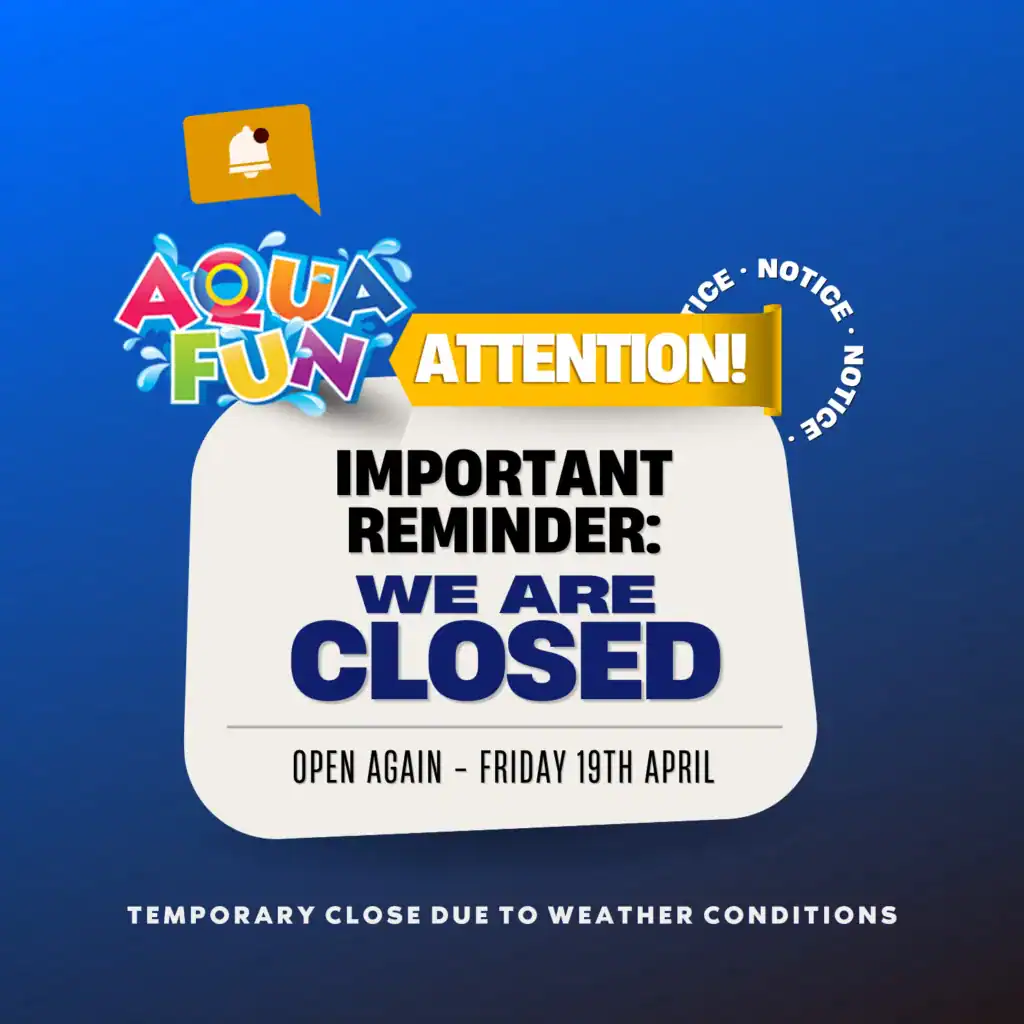

Waterpark Location
The Ultimate Waterpark, a dreamland for water lovers, is located in the beautiful city of XYZ. Tucked amidst lush greenery, this waterpark offers a serene and breathtaking atmosphere for visitors to enjoy.
Waterpark Amenities
The waterpark boasts a wide range of amenities for both thrill-seekers and those looking for a more relaxing experience. From adrenaline-pumping water slides to serene lazy rivers, there’s something for everyone. The park also features wave pools, swim-up bars, luxurious cabanas, and delectable dining options. You’ll never be short of entertainment at the Ultimate Waterpark!
Pricing
The ticket prices at the Ultimate Waterpark vary based on different packages and services. General admission tickets start at $X for adults and $Y for children under the age of 10. Additional charges apply for premium services like VIP access, express passes, and exclusive party areas. You can find detailed pricing information on our pricing page.
Booking Information
To book your visit to the Ultimate Waterpark, we offer convenient online booking through various platforms. Below are some popular booking platforms where you can secure your tickets:
Frequently Asked Questions (FAQ)
Here are some common questions about our waterpark:
- 1. What are the opening hours of the waterpark?
Our waterpark is open from 9:00 AM to 7:00 PM, seven days a week. - 2. Are there any age restrictions for the waterpark?
Children of all ages are allowed in the waterpark. For young children, we have dedicated areas with age-appropriate attractions. - 3. Can we bring our own food and drinks?
To ensure a safe and enjoyable experience, outside food and drinks are not allowed within the premises. However, we have a variety of dining options available inside the waterpark. - 4. Is there a parking facility available?
Yes, we provide ample parking spaces for our visitors at no additional cost.
What are the best camera settings to use for a waterpark photo shoot?
When shooting at a waterpark, it is important to consider the following camera settings to achieve the best results:
1. Shutter Speed: To freeze the action and capture fast-moving subjects like splashing water or people sliding down water slides, use a fast shutter speed such as 1/1000 or faster.
2. Aperture: Choose a wider aperture (smaller f-number like f/2.8 or f/4) to create a shallow depth of field and blur the background, giving more focus to the subject.
3. ISO: Set the ISO value low (around 100 or 200) in bright conditions to prevent noise and maintain image quality. Increase the ISO as needed in low-light or indoor areas.
4. Focus Mode: Select Continuous AF (Autofocus) mode to track moving subjects accurately. This is particularly useful when capturing fast-action scenes like people on water slides or in the water.
5. Burst Mode: Enable burst or continuous shooting mode to capture a series of shots continuously. This helps in capturing the perfect moment and ensures you don’t miss any action or expressions.
6. White Balance: Since waterparks often have different light sources like indoor lighting, sunlight, or water reflections, it’s advisable to set the white balance to Auto. Alternatively, use a custom white balance setting specific to the lighting conditions.
7. Metering Mode: Choose Evaluative or Matrix metering mode to ensure the camera meters the scene correctly, considering various light sources and subjects in the frame.
8. Lens Choice: A versatile lens like a wide-angle or a zoom lens (e.g., 24-70mm or 18-135mm) is ideal to capture different perspectives and allow flexibility in composition.
Remember, specific camera settings may vary based on the lighting conditions, equipment used, and personal preferences. Experiment with different settings to find what works best for your waterpark photo shoot.
What equipment do you recommend for shooting in a wet environment?
When shooting in a wet environment, it is important to ensure that your equipment is properly protected to prevent damage. Here are some recommendations for shooting in wet conditions:
1. Weather-sealed camera and lenses: Invest in a camera and lenses that are specifically designed to withstand moisture and dust. Look for cameras and lenses with weather sealing or moisture-resistant construction.
2. Camera rain cover: Use a camera rain cover or waterproof housing to provide an extra layer of protection. These covers are designed to shield your camera from rain, splashes, and humidity while still allowing access to essential controls and buttons.
3. Lens hood: Attach a lens hood to your lens to provide additional protection from raindrops and minimize lens flare.
4. Rain sleeve for tripod: If you plan to use a tripod, consider using a rain sleeve or cover designed specifically for tripods. This will help protect your tripod and ensure stability while shooting in wet conditions.
5. Microfiber cloth or lens cleaning wipes: Keep a microfiber cloth or lens cleaning wipes handy to quickly wipe away any moisture or droplets that may accumulate on your lens or camera body.
6. Silica gel packs or moisture-absorbing pouches: Moisture can build up inside your camera gear, so it’s a good idea to include silica gel packs or moisture-absorbing pouches in your camera bag. These packs will help absorb excess moisture and prevent damage.
7. Waterproof storage and transport: Use a waterproof camera bag or case to store and transport your equipment. This will provide an additional layer of protection against water and moisture.
Remember to exercise caution and common sense when shooting in wet environments. Avoid excessive water exposure and always prioritize safety for yourself and your gear.