Waterpark Location
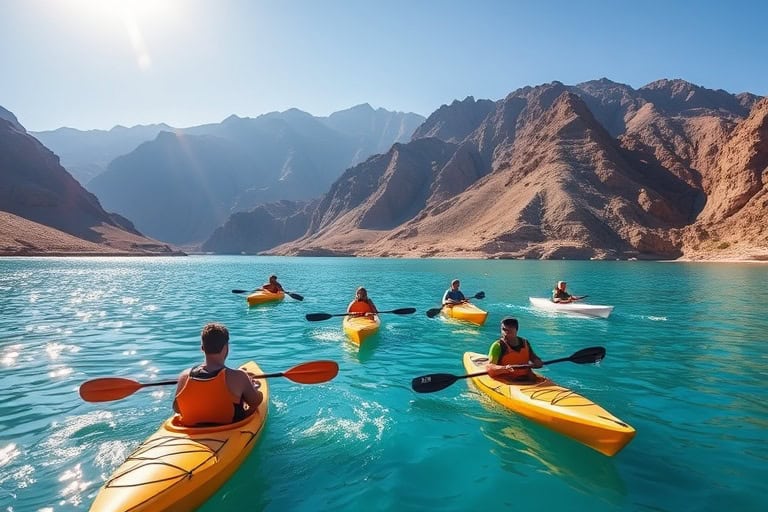
The outdoor waterpark is located in the picturesque countryside, surrounded by lush greenery and beautiful landscapes. It provides the perfect setting for a refreshing and thrilling water adventure amidst nature.
Waterpark Amenities
- Multiple water slides of varying heights and speeds.
- A large wave pool that simulates the feeling of being at the beach.
- A lazy river that allows you to relax and float around the park.
- A dedicated kids’ area with water play features and shallow pools.
- Well-maintained changing rooms, showers, and restroom facilities.
- Ample seating and shade options for relaxation.
- A variety of food and beverage options to keep you energized throughout the day.
Pricing
Prices may vary depending on the day and time of visit, as well as the age group:
- Adults (18+ years) – $30
- Teens (12-17 years) – $25
- Children (4-11 years) – $20
- Toddlers (under 4 years) – Free
How to Book
Booking your tickets for the outdoor waterpark is quick and easy. You can reserve your spot through the following platforms:
FAQ
- Can I bring outside food and drinks? – Outside food and drinks are not allowed. However, a range of food options is available within the waterpark.
- Are there lifeguards on duty? – Yes, trained lifeguards are present throughout the waterpark to ensure the safety of all visitors.
- Are there locker facilities available? – Yes, locker facilities are available for rent to secure your personal belongings.
- What is the park’s operating season? – The waterpark is open from May to September, providing a fantastic summer experience.
- Are there any height or age restrictions? – Some of the water slides have height restrictions for safety purposes. Children under a certain height may be required to be accompanied by an adult on specific attractions.
What types of water attractions are typically found in an outdoor waterpark?
Some common types of water attractions found in outdoor water parks include:
1. Water slides: These are usually large, multi-story slides with twists, turns, and drops that provide thrill and excitement for riders.
2. Wave pools: These simulate ocean waves in a controlled environment, allowing guests to swim, float, or bodyboard.
3. Lazy rivers: These are slow-moving, circular rivers where guests can relax and float on inflatable tubes.
4. Water play areas: These are interactive zones with various water features, such as fountains, sprayers, and dumping buckets, designed for younger children to splash and play in a safe environment.
5. Waterfalls: These are artificial waterfalls that add beauty and tranquility to the park, usually located in the pools or along the edges of slides.
6. Flowriders and surf simulators: These artificial wave machines create simulated waves for guests to practice surfing or bodyboarding.
7. Water obstacle courses: These are floating inflatable structures with obstacles like balance beams, slides, and climbing walls, designed for guests to challenge themselves and have fun.
8. Racing slides: These are slides where multiple riders can slide down simultaneously, competing against each other to reach the bottom first.
9. Dive pools: These are deep pools where professional divers can showcase their skills or guests can enjoy jumping and diving.
10. Water-based sports courts: Some water parks have courts for water basketball, volleyball, or other water-based team sports.
These are just some examples, and water parks can vary in the number and types of attractions they offer.
What kind of wildlife can visitors expect to encounter at an outdoor waterpark?
Visitors at an outdoor waterpark may expect to encounter various types of wildlife, depending on the location and environment. Some possible wildlife that can be found in and around outdoor waterparks include:
1. Birds: Different species of birds may swoop around the waterpark, especially near lakes or water bodies. Visitors may spot ducks, geese, herons, and even small songbirds.
2. Insects: In warmer climates, expect to encounter insects such as bees, butterflies, dragonflies, and mosquitoes.
3. Fish: If the waterpark has any artificial or natural ponds or lakes, there might be fish swimming in them. Visitors could see common varieties like goldfish, koi, or even native fish species.
4. Turtles: Some waterparks may have turtles as their residents. These reptiles can be seen basking in the sun near water bodies or swimming around if permitted.
5. Frogs and toads: Wet areas or ponds near the waterpark may attract frogs and toads. These amphibians can be heard croaking or seen hopping around.
6. Small mammals: Depending on the park’s location, small mammals like squirrels, rabbits, raccoons, or even deer might be present in the surrounding nature areas.
It is important to note that the specific wildlife encountered will vary based on the waterpark’s location and the availability of natural habitats nearby. As with any interaction with wildlife, visitors should always observe from a safe distance and respect the animals’ natural habitats.